
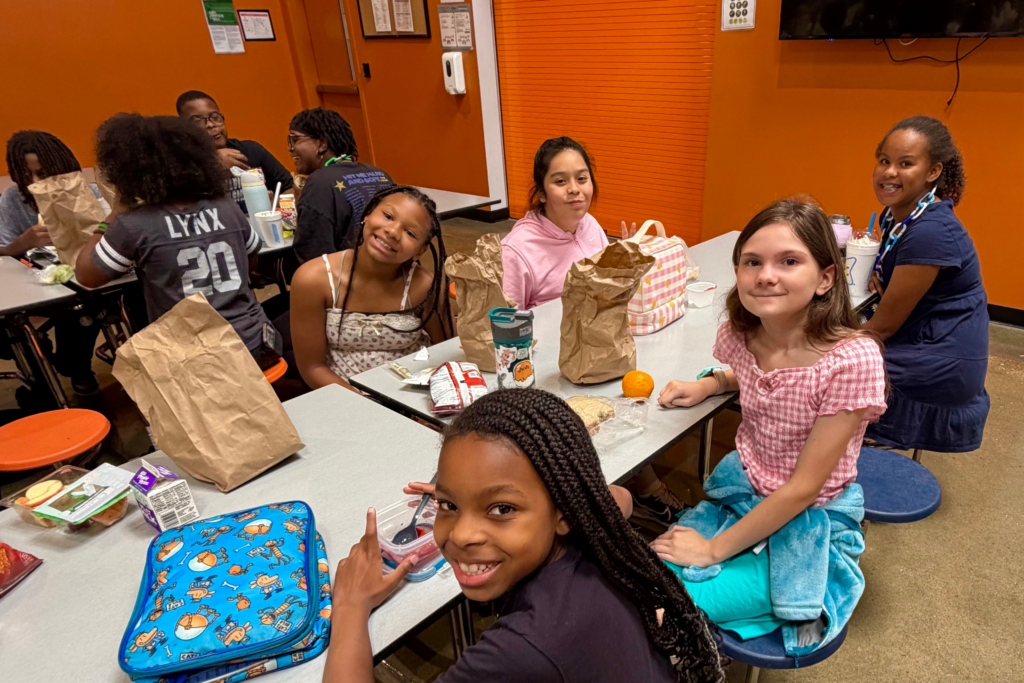
For over a decade, Urban Green Lab has helped adults across Nashville build sustainable habits at home, at work, and in their communities. This summer, we took an exciting step toward expanding our youth programming by partnering with Valor Collegiate Academies' Summer Jam program to help students explore one of the biggest sustainability challenges in schools: food waste.
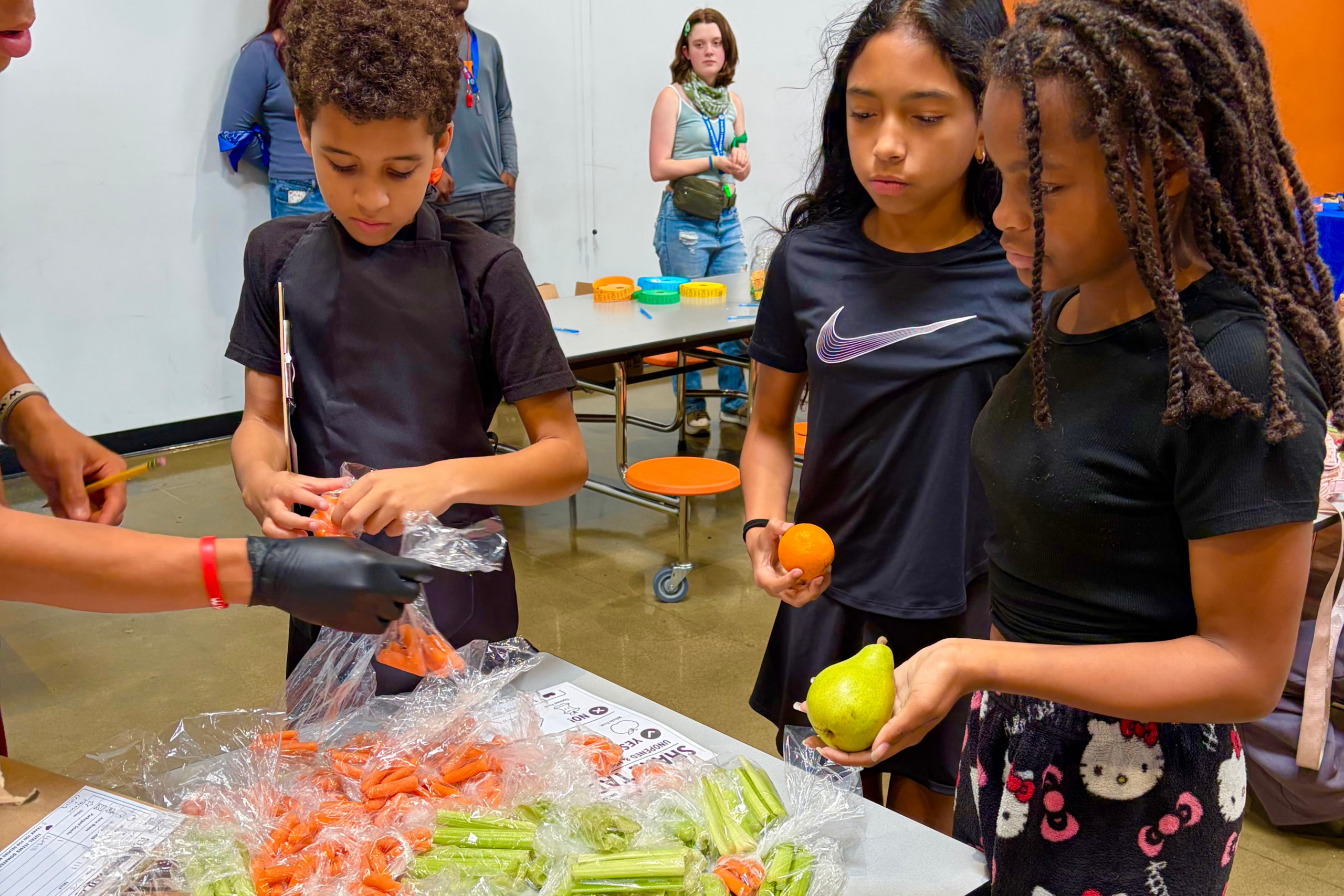
The Secret Life of Food
The experience began with all 157 students participating in Valor's Summer Jam program—representing grades 5 through 8—receiving a one-hour lesson exploring what we called The Secret Life of Food.
Students traced the journey of food from farm to tray, uncovering the many resources required to bring a single meal to their lunch table. Together, we explored the farmland, water, energy, fuel, packaging, transportation, and labor needed to grow, process, deliver, and serve food.
For many students, this was their first time considering everything that happens before a meal reaches their tray.
Aligned with Tennessee Science Standards, the lesson connected natural resources, human activity, and environmental impacts to something students experience every day—school lunch. Students also learned what happens when food is discarded, including how food waste in landfills produces methane, a powerful greenhouse gas, and how solutions like food rescue, Share Tables, and composting can help keep valuable resources in use.
The lesson sparked thoughtful questions and observations.
"Is there a way I can compost at home too?"
One student connected the lesson directly to climate change:
"Global warming is not a myth, but you can't see the methane, so people think it's made up."
The conversation quickly shifted from problems to solutions. Students brainstormed practical ways to reduce food waste at home and at school.
"I could save food by letting my parents know what foods I'm not eating out of my lunch so they don't keep buying it."
With a deeper understanding of the resources behind every meal, students were ready for the next step: becoming food waste investigators.
The Audit
Before the audit began, students made hypotheses about which food items would be discarded most often and why.
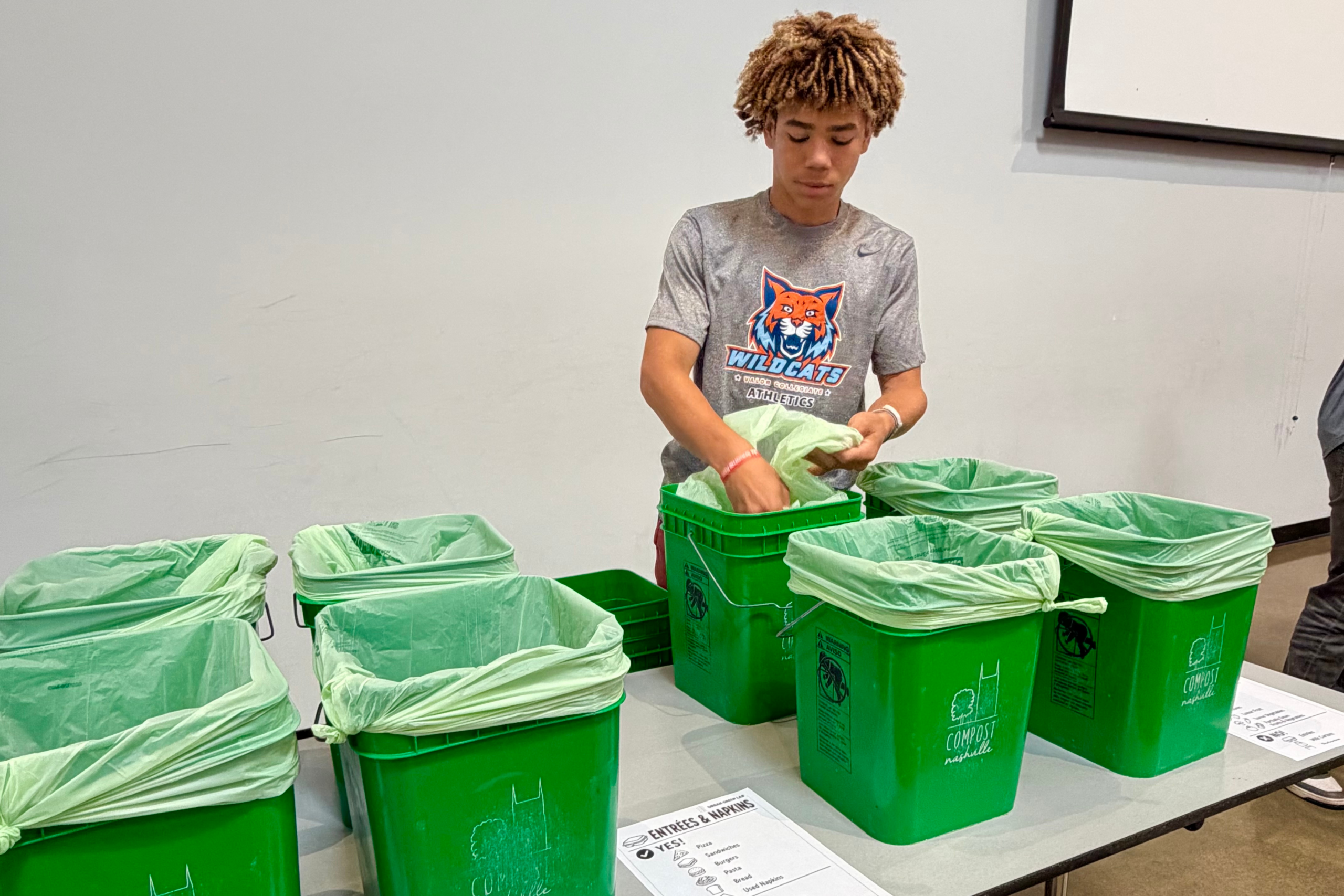
Then, working alongside Urban Green Lab and Valor staff, students conducted a hands-on cafeteria food waste audit. They sorted lunch materials into compost, recycling, landfill, liquid waste, and Share Table categories, weighed each stream, and recorded the results.
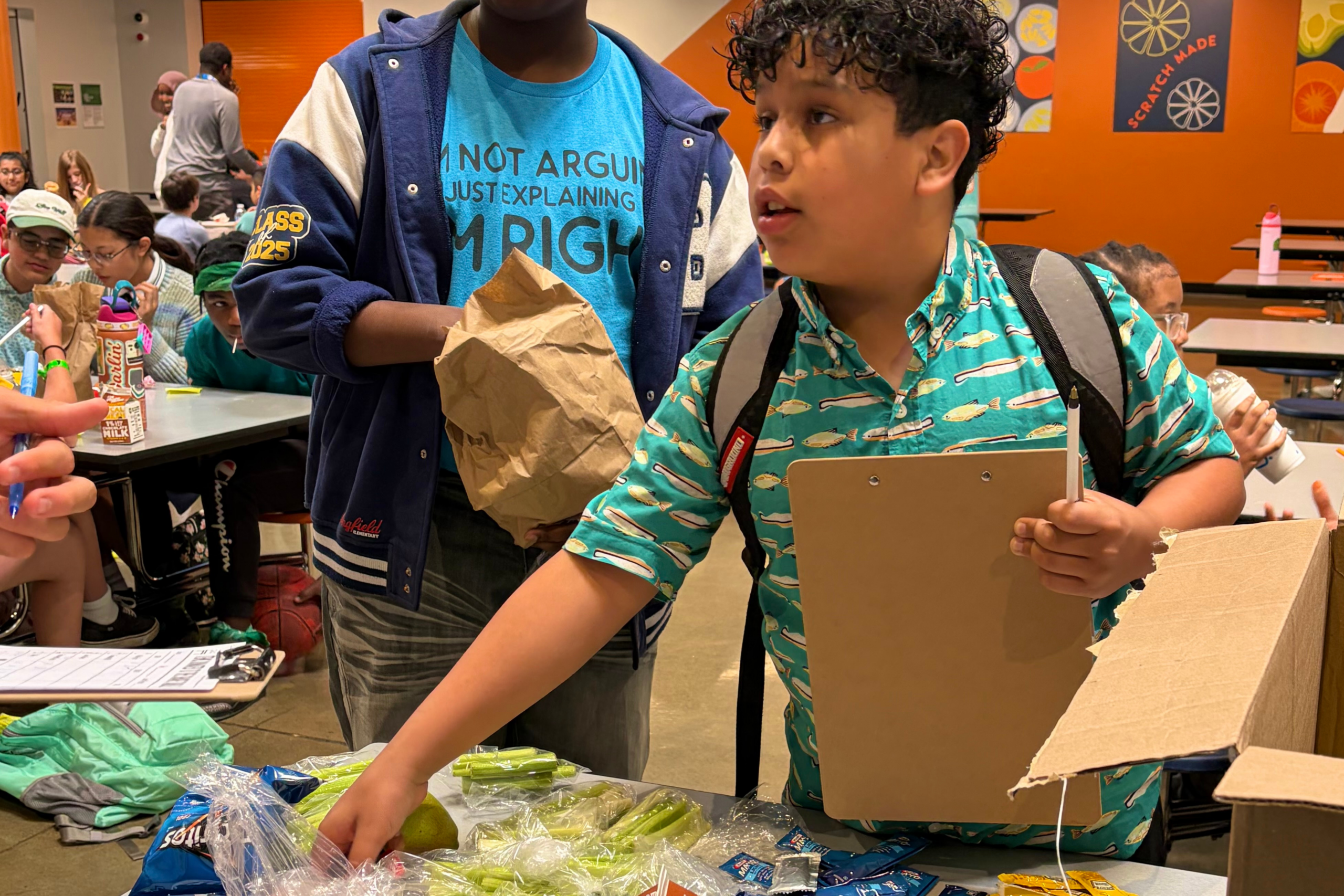
The audit went beyond measuring what was discarded. Students surveyed their peers to understand why certain foods were left uneaten while also tracking items collected through the school's Share Table, which helps rescue unopened food. Together, these efforts provided valuable insight into student preferences and opportunities to reduce waste.
Special thanks to Compost Nashville for donating the compost collection bins that helped make this hands-on learning experience possible.
The Impact
Through the audit, Valor students collected data, identified opportunities to reduce waste, and explored solutions for keeping more food in use.
Key Findings
- 40.63 pounds of food waste diverted from the landfill
- 6.12 pounds of liquid waste measured
- 24 Share Table items rescued for other students
- 0.30 pounds (4.8 ounces) of food and beverages discarded per student
The audit revealed that fruits and vegetables—including carrots, celery, and whole fruit—were the most commonly discarded items. Students also found that food was most often left uneaten because they either did not like the item or had already had enough to eat.
Most importantly, students learned how data can be used to identify problems, uncover solutions, and drive meaningful change.

Looking Ahead
The students at Valor demonstrated curiosity, critical thinking, and a genuine desire to make a difference. Their participation showed that when young people are given the tools to investigate real-world challenges, they are eager to become part of the solution.
As Urban Green Lab continues to expand youth-focused sustainability programming across Nashville, we look forward to creating more opportunities for students to connect environmental concepts with meaningful action. Because the future of sustainability isn't just about teaching the next generation—it's about empowering them to lead it.