

When one of your employees walks out the door, they take more than just their skills with them. They take institutional knowledge, client relationships, and a significant chunk of your budget. According to Gallup, U.S. businesses lose approximately $1 trillion annually due to voluntary employee turnover. Replacing a single employee can cost up to 100% of their annual salary once you factor in recruitment, onboarding, and lost productivity.
For companies competing for talent in today's market, those numbers are sobering. Especially when you consider that roughly 3 to 4 million Americans voluntarily left their jobs each month during 2021 and 2022, the period researchers call the "Great Resignation."
But here's what many business leaders don't realize: your Corporate Social Responsibility (CSR) efforts, particularly around sustainability and community engagement, might be one of your most powerful retention tools.

Why Employees Stay, or Leave
The pandemic fundamentally changed what employees want from work. Traditional motivators like salary and benefits matter, but they're no longer enough. Employees - especially younger generations - increasingly evaluate employers based on their contributions to environmental sustainability, social issues, and ethical governance.
This isn't speculation. Multiple studies have found meaningful connections between CSR initiatives and employee retention. Research across industries found that CSR activities enhance company reputation and resonate deeply with employees' values, leading to decreased turnover intentions. When employees see their employer making genuine efforts toward environmental stewardship or community support, it changes how they view their job - from "just a paycheck" to work that contributes to something larger.
The mechanism is straightforward: employees derive a sense of identity and belonging from their association with their employers, particularly when they perceive their employer's values as aligned with their own. When that alignment exists, people stay. When it doesn't, they start looking elsewhere.
The Business Case Is Clear
Let's be direct about what's at stake. High turnover disrupts operations, strains your remaining team members, and drains your budget. Across industries, elevated quit rates during the Great Resignation exposed how vulnerable organizations are when employee priorities shift.
But the research also shows a path forward. Studies consistently demonstrate that organizations prioritizing ethical governance and social responsibility can effectively enhance workforce stability and loyalty. Environmental and social CSR initiatives signal an organization's commitment to addressing societal concerns, which resonates with employees who prioritize those same values.
Here's what that looks like in practice:
- Employees who perceive their organization as committed to sustainability report stronger organizational attachment
- Visible community engagement initiatives strengthen employees' sense that their work has meaning
- Transparent governance and ethical business practices build trust and psychological safety
- Diversity, equity, and inclusion efforts demonstrate that the organization values all stakeholders

Authenticity Is Non-Negotiable
Here's the catch: your CSR efforts must be genuine. Employees aren't fooled by superficial "green" marketing or token community initiatives. Research shows that employees with weak CSR alignment are less affected by CSR engagement tactics than those with strong alignment. Translation: if your sustainability efforts feel performative, they won't work.
What does authenticity look like? It means integrating CSR into your business strategy, not treating it as a PR afterthought. It means making your environmental and social initiatives visible to employees and giving them opportunities to participate. It means transparent governance and following through on commitments.
When companies embed sustainability and social responsibility into their actual culture - not just their marketing materials - employees see their work differently. They're not just serving customers or hitting metrics; they're part of an organization that takes its responsibilities seriously.
Putting Research Into Practice
The competitive talent market means you can't afford to ignore what drives employee loyalty. And increasingly, that includes your organization's commitment to sustainability and social responsibility.
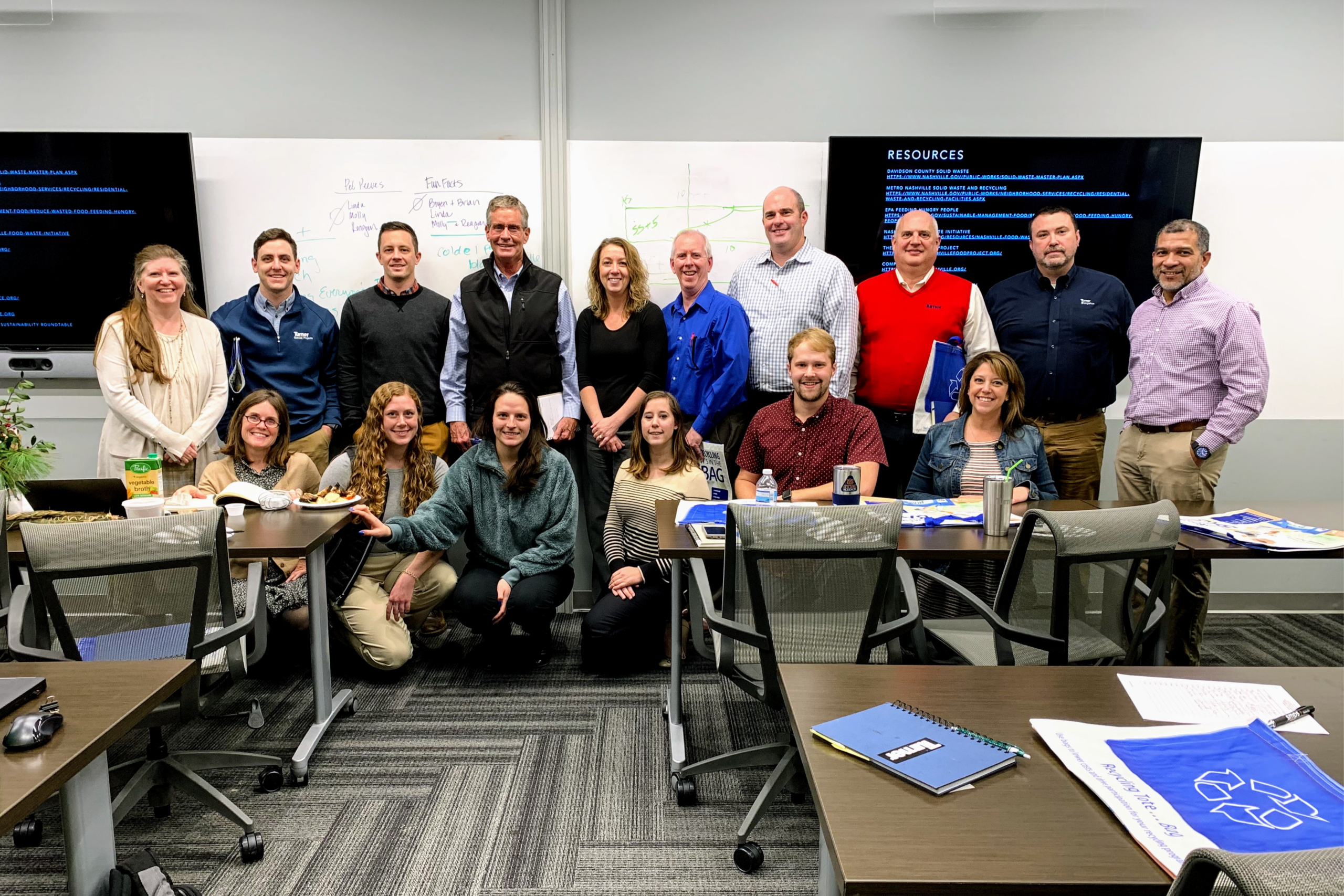
With a professional peer-learning network called the Nashville Sustainability Roundtable, and lunch-and-learn sustainability workshops, organizations like Urban Green Lab help businesses demonstrate credible sustainability strategies that resonate with both employees and the broader community, turning CSR from a compliance checkbox into a genuine competitive advantage.

The Bottom Line
Sustainability isn't just good PR, and it's not just about environmental impact. It's a workforce strategy. When you invest in authentic environmental and social initiatives, you're investing in the conditions that make employees want to stay.
With turnover costs reaching into the trillions nationally, the question isn't whether you can afford to prioritize CSR. It's whether you can afford not to.

This article draws from research on CSR and employee retention. For more information or to discuss how these findings apply to your organization, contact Alex Abels at alexander.abels@outlook.com.