
In 2008, in the aftermath of Hurricane Katrina, the Red Cross and other like organizations began to lead “urban emergency preparedness workshops.” The crisis in New Orleans opened many eyes to the realization that urban populations needed consider “sheltering in place” versus the traditional automobile-based evacuation strategy. I was attending a Red Cross workshop in Nashville and during the questions and answers period, I asked if there was a map of Nashville’s emergency shelters. To my surprise no such map existed in any form. At the time, I had developed a geographic information systems (GIS) mapping program at Pearl-Cohn High School (PCHS). I said to the Red Cross representative “My ninth graders are going to make your maps for you.” Using the emergency shelter data provided by the Red Cross, Ms. Debbie Hirsch’s PCHS students produced GIS maps displaying the geographic locations of Davidson County’s shelters. We added demographic and socioeconomic layers to the map which revealed that there were essentially no emergency shelters in the 37208 zip code area. The 37208 zip code contains some of Nashville’s most chronically under-resourced communities. The PCHS students were presented commendations by the Red Cross for their work by Lelan Statom.
In May 2010, less than a year after the maps were released, middle Tennessee experienced a “1,000 year” storm event. Nearly two feet of precipitation fell across the region raising the Cumberland River and its tributaries to record flood levels. Over two dozen people lost their lives and thousands were displaced. The lack of emergency shelters in North Nashville and the 37208 zip code area was exposed and laid bare. While pizzas and water were being delivered to the Neely’s Bend and Bellevue communities, the “cavalry” did not arrive in Bordeaux, Parkwood, or Haynes Manor. I created a hastily built GIS map displaying the locations of impacted persons who had reached out to me via email and phone. I shared the map with local emergency response services.
In the absence of shelters, Rev. Dr. Harold Love’s St. Paul AME Church become the community’s impromptu base of operation for a mass array of emergency responders including FEMA.
There were supposedly many lessons learned from the 2010 flood in terms of equitable emergency response and the emerging reality of climate change. So, as the middle Tennessee region continues to recover from the brutal aftermath of Winter Storm Fern, once again the realization that we are less than prepared for such events is staring citizens in the face.
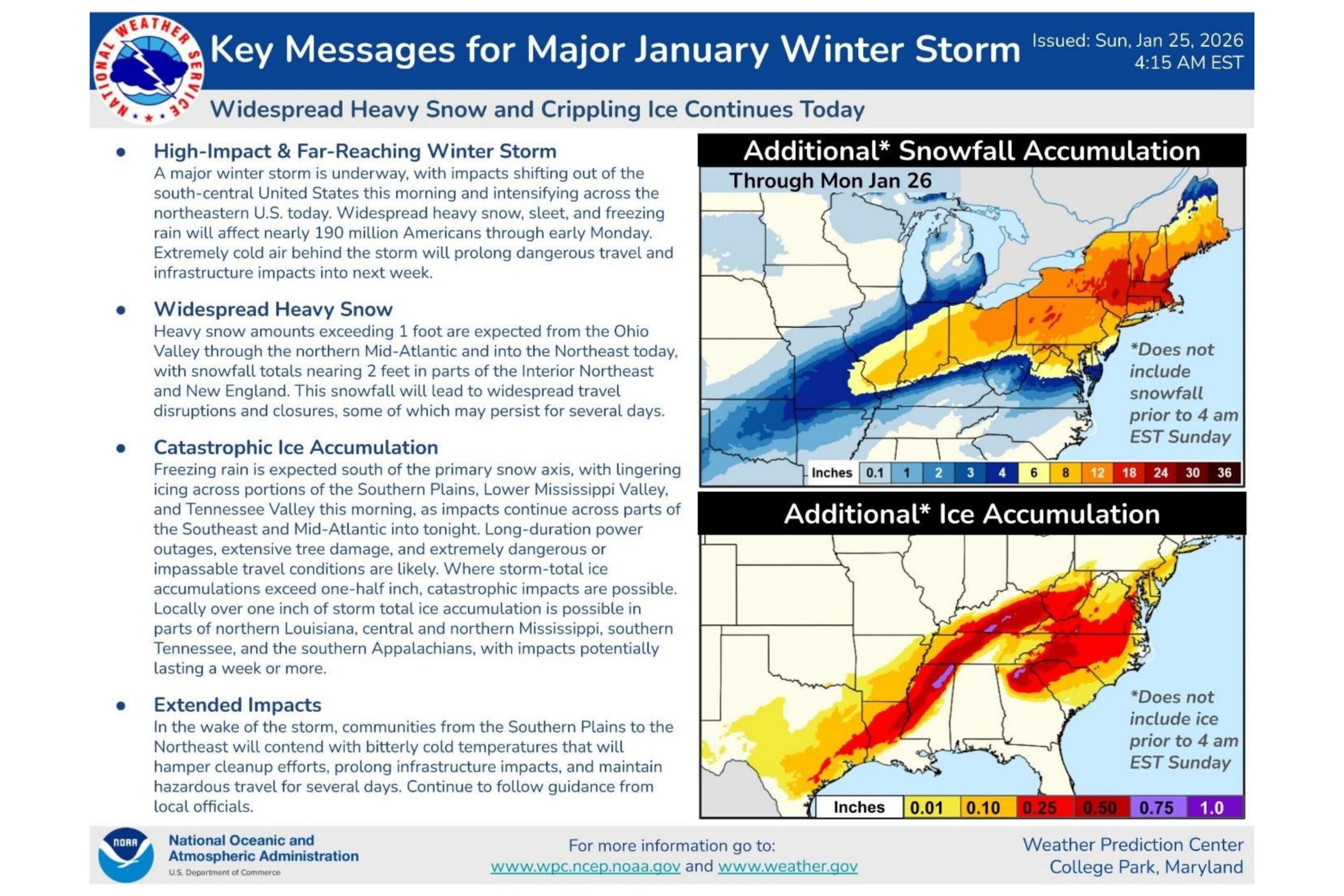
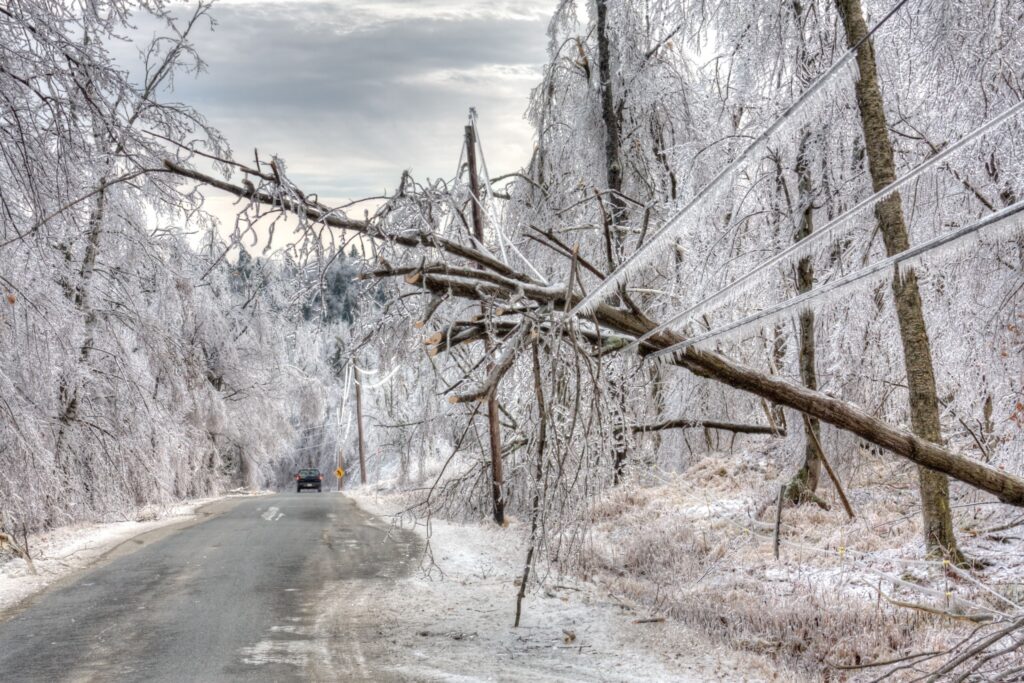
To be fair, last month’s ice storm was a somewhat unprecedented event, especially in an area not used to such violent frozen precipitation. The National Weather Service (NWS) prediction for at least a quarter inch of ice was pretty much spot on. The extremely dangerous conditions associated with freezing rain are well known. However, even with the best forecasting data, dealing with the reality of the actual storm event can still be overwhelmingly challenging.
The long-term loss of power and heat for tens of thousands of residents accentuated the need for increased emergency shelter space. A 2010 study I co-authored with Meharry Medical College’s Dr. Nia Foderingham found that Nashville’s “most vulnerable population” had less than 0.5 percent shelter capacity, while the “least vulnerable population” had a 32.0 percent shelter capacity.
The looming impacts of climate change that include more explosive frozen precipitation events have led progressive urban regions to invest in “resilience centers,” solar- powered facilities capable of hosting displaced individuals for extended periods of time. As a US Environmental Protection Agency (US EPA) contractor from 2023-2024, I was directly responsible for assisting vulnerable communities and organizations in the development and design of resilience centers across the country. Unfortunately, those Inflation Reduction Act (IRA)-funded programs were zero-funded by the current administration. Had adequate resilience centers been in place in middle Tennessee, displaced individuals would need not be continuing to suffer two weeks after Fern. Humans cannot control the weather, but we must invest in infrastructure necessary to mitigate the inevitable effects of climate change, or face perhaps even more extreme consequences.

Associate Professor of Geography and Environmental Justice
Tennessee State University
dpadgett@tnstate.edu