
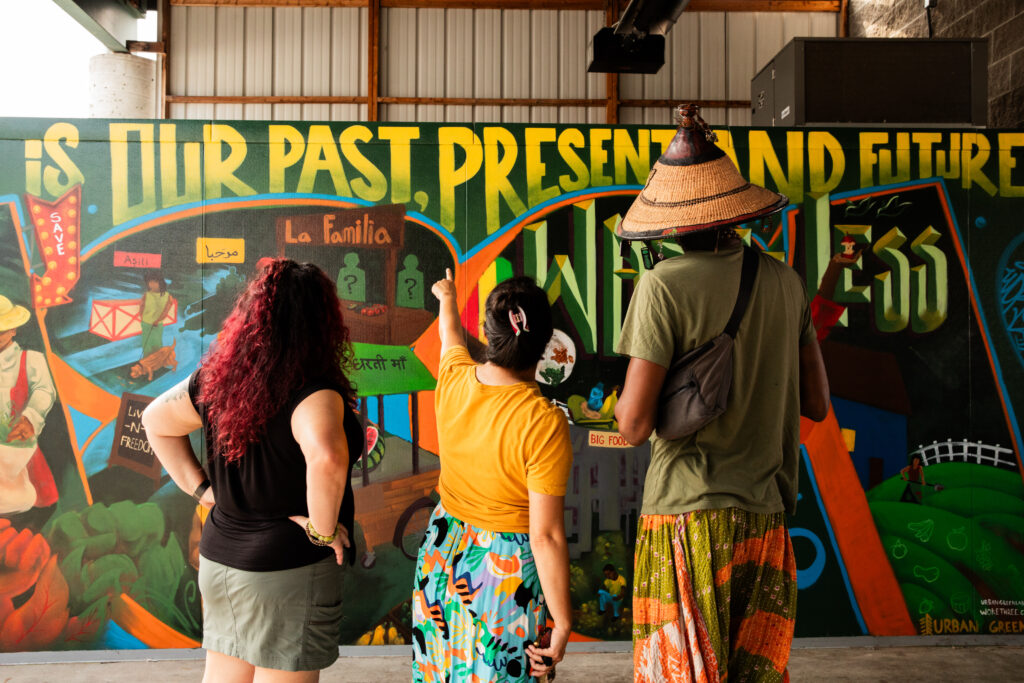
Public art has the power to grab attention, spark reflection, and bring big ideas into everyday spaces. That’s the goal of the Waste Less Mural Cohort—a national movement using murals to make food waste visible, personal, and real.
Nearly 40% of food in the U.S. gets tossed, wasting money, water, and energy. The good news? Reducing food waste is one of the simplest, most effective ways to support sustainability.
By teaming up with artists, community leaders, and advocates, the Waste Less Mural Cohort uses bold visuals and local voices to turn walls into places for action. From rec centers to parks, cities are transforming familiar spaces into hubs for learning, pride, and connection.
This series isn’t just about murals—it’s about rethinking how we talk about food, waste, and community, and doing it together.
Nashville, TN - How it All Started
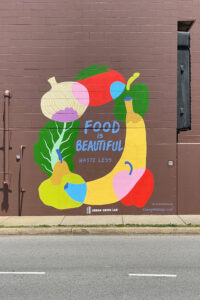
The Waste Less Mural Series began at Urban Green Lab, a Nashville nonprofit, with a simple idea: use murals to shine a light on food waste—an everyday issue we all can change.
Working with artists, neighbors, and community groups, each mural was co-created with local leadership and unveiled through celebrations with music, meals, and conversations about wasting less. Inspired by Nashville’s success, other cities joined in, and the Waste Less Mural Cohort has grown into a nationwide movement powered by community voices and small actions leading to big change.
Nashville sparked this movement at a critical time. In 2022, Tennessee generated 1.77 million tons of surplus food—over 1 million tons from households alone. In Nashville, food makes up 25% of landfill waste, costing the average resident $759 annually in discarded groceries.
The murals offer a fresh approach beyond reports or PSAs, serving as reminders of what food means to communities and how simple it can be to waste less. They have become gathering places, teaching tools, and points of pride—helping launch a national network of cities bringing food waste education to life through creativity and community.
Seattle, WA - Ideas Taking Root
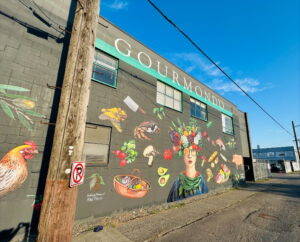
In Seattle, the Waste Less vision is taking shape with ideas for murals and creative signage in high-traffic spots like hotels, parks, and even restrooms—places that could capture attention during daily routines or major events like the 2026 FIFA tournaments.
The city’s Solid Waste Division is leading community listening sessions to identify trusted messengers and priority neighborhoods. These insights will guide artists and consultants in building a food waste prevention campaign that uses public art to connect sustainability with place and community voice.
Cincinatti, OH - Big Ideas in the Works
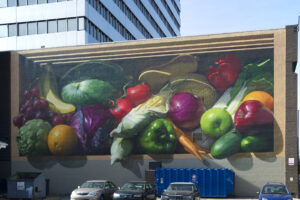
Hamilton County ReSource is seeking partners to host window murals November 10–21, 2025, as part of Wasted Food Stops With Us, a campaign to cut consumer food waste. Each mural aims to engage at least 250 families and involve 10+ staff and volunteers. With 120,000 tons of food sent to landfills annually—14.9% of Hamilton County’s solid waste—the project highlights a pressing issue through public art.
In Cincinnati, partners are envisioning creative collaborations like library window murals, farm-to-table exhibits, and even art on bridges, trails, and community freezers. La Soupe, a local food rescue nonprofit, is leading a citywide design contest for bold, pop-art-inspired graphics to appear on windows, aprons, and storefronts. With local artists and support from healthcare providers and food pantries, the city’s vision is one of color, connection, and community-led change.
Greensboro, NC -
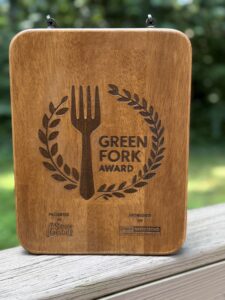
In Greensboro, A Simple Gesture is working to highlight the true value of food and reduce surplus that too often goes to waste. By partnering with local farmers, restaurants, and food businesses, the organization promotes sustainable practices that keep food out of landfills and on community tables.
To celebrate these efforts, A Simple Gesture launched the Green Fork Award, honoring businesses that source locally, choose sustainable options, and commit to reducing waste. Winners receive a custom cutting board plaque, media recognition, and connections with the city’s Office of Sustainability and Resilience—along with increased support from environmentally minded customers.
Through the Green Fork Awards, Greensboro is lifting up leaders who show how food can be both a story and a tool for change.
Why Public Art for Food Waste?
As city concepts take shape, one thing is clear: public art makes the invisible visible and brings unlikely partners together. Murals and installations turn big ideas about food waste into something local and human—sparking curiosity, connection, and action.
These projects unite artists, sustainability leaders, educators, food vendors, farmers, and city officials on a shared canvas, aligning upstream and downstream voices in the food system. The result is more than awareness—it’s collaboration, ownership, and lasting impact.
By inviting sectors to rally around the message, Food is ______. Waste Less., public art reframes food waste as a community-wide opportunity to design better systems, tell better stories, and build stronger connections.