
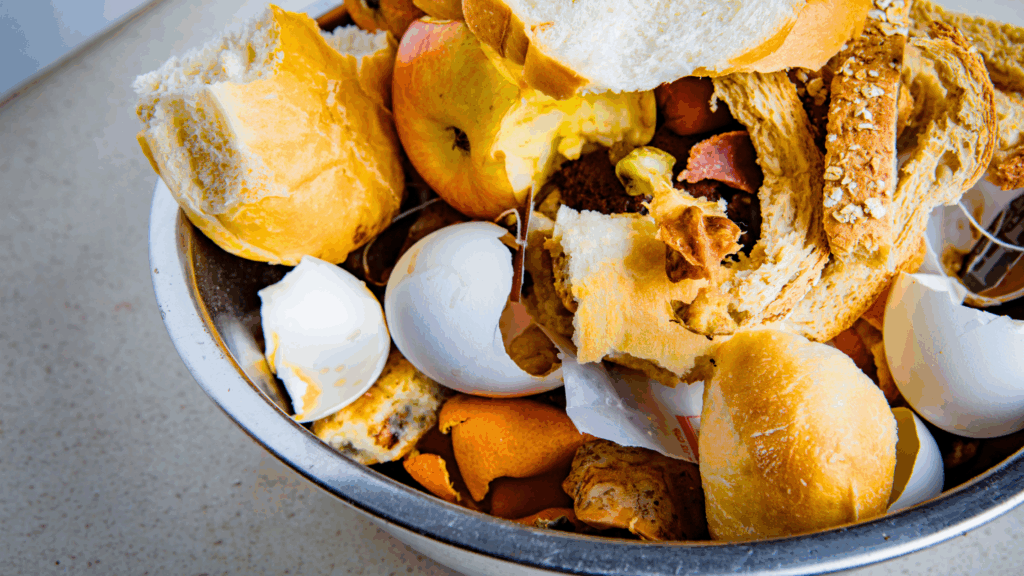
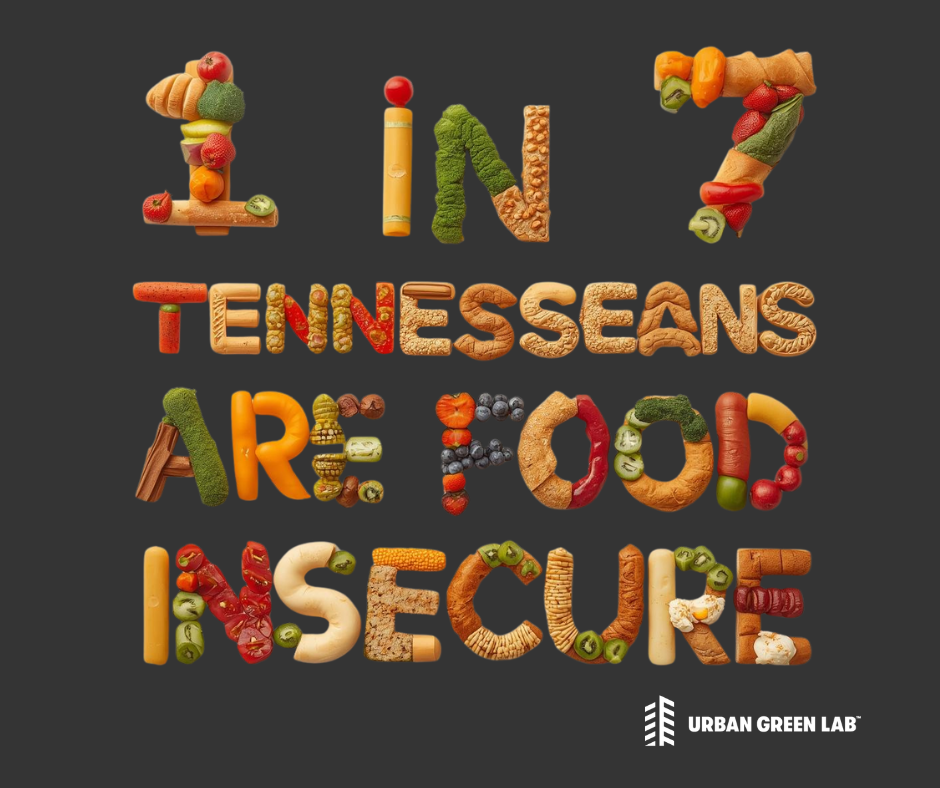
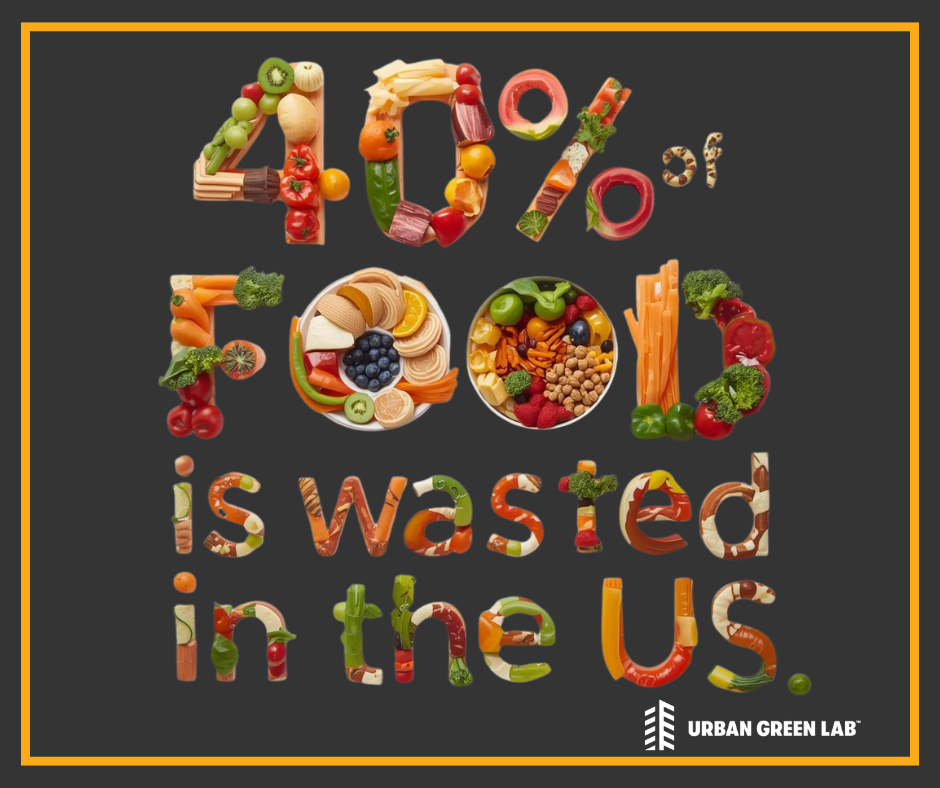
“In Middle Tennessee, 1 in 7 people are unsure where their next meal will come from, including 1 in 6 children (Second Harvest, 2025).” This is called food insecurity – when families don’t have reliable access to enough nutritious food to live healthy lives. At the same time, nearly 40% of the food in our nation ends up in landfills.
With the holiday season approaching, colder weather on the way, rising grocery costs, and a pause in federal SNAP assistance, it’s more important than ever to ensure everyone in our community has enough to eat.
Food is a basic human need, and there’s enough to go around. By turning extra food into meals for our neighbors, we can keep it out of landfills and onto the tables of those who need it most.
How You Can Help
Donate to Local Food Organizations
There are many places that accept food donations in Nashville, but here are three of the top organizations making a big impact:
- Second Harvest Food Bank of Middle Tennessee: Accepts donations from grocery stores, farmers, and individuals. They redistribute food to hundreds of pantries, meal programs, and shelters across Middle and West Tennessee.
- The Nashville Food Project: Rescues surplus food and cooks nutritious meals for neighbors struggling with hunger. They also run programs that engage the community in food recovery.
- The Store: A free grocery store where families “shop with dignity” for the food they need. Donations help stock fresh produce, pantry items, and household staples.
Tip: Financial contributions to these organizations can be even more sustainable than donating food. Cash donations allow them to purchase exactly what’s needed, prevent excess, and distribute food where it will have the greatest impact.
Share With Your Community
- Organize a neighborhood food swap or mini food drive – Gather extra pantry items, produce, or meals from neighbors and friends. Share what you can and donate the rest to local food programs, turning surplus into support for the community.
- Encourage leftover sharing at your workplace or faith-based organization – Collect extra meals or snacks and share them with coworkers or community members who could use a helping hand.
- Go on food rescue adventures – With permission, pick up perfectly good but unsellable produce from markets or farms to donate or use at home, keeping food out of landfills.
Reduce Food Waste at Home
- Plan meals and shop with a list – Prevents overbuying, which is the single largest source of household food waste. Knowing what you need keeps food from spoiling before it’s used.
- Freeze or repurpose surplus food – Extends the life of food that might otherwise be thrown out. Freezing or creatively reusing leftovers is one of the most effective ways to save food and money.
- Understand expiration labels – “Best by” dates indicate peak quality, not safety. Many foods are still good past the date, so trust your senses—look, smell, and taste before tossing.
Every item saved, shared, or donated matters. Food insecurity, food waste, and sustainability are all connected to our health, our neighbors, and to our planet. Here in Nashville, we can ensure there is enough food to go around!
You can learn more about food recovery efforts in Nashville by visiting the Nashville Food Waste Initiative.